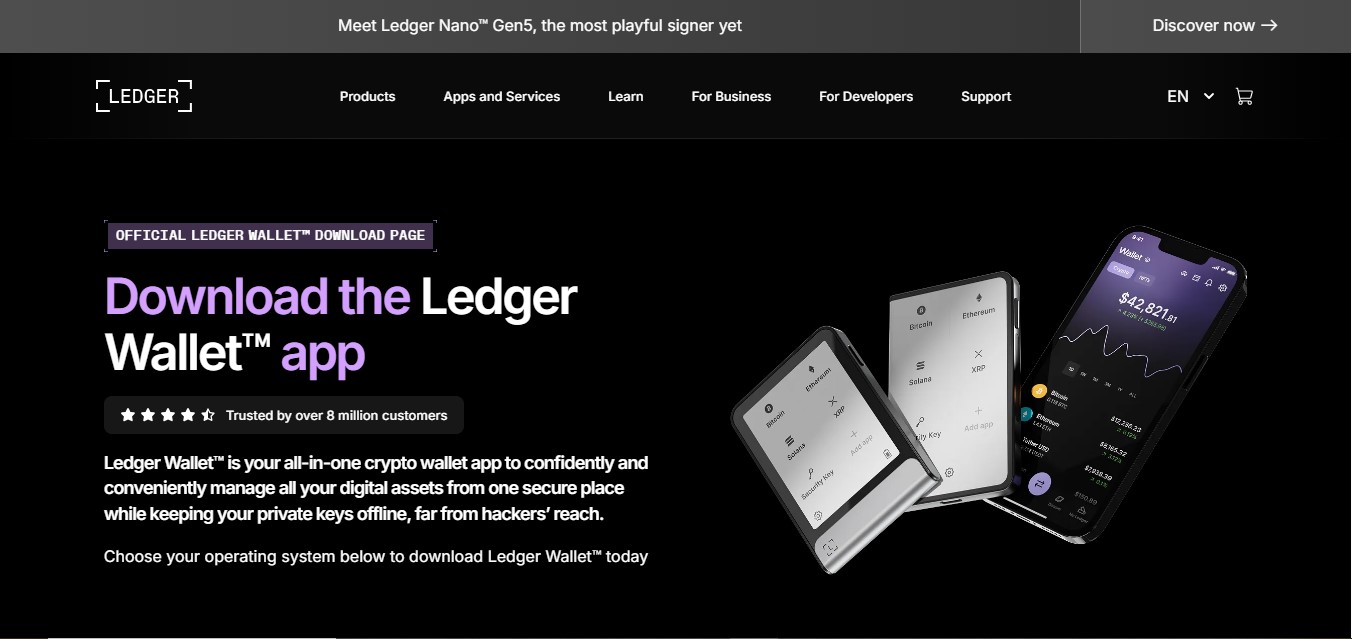
Ledger Start – Beginner-Friendly Hardware Wallet Setup
Cryptocurrencies have become a powerful asset class in recent years, attracting millions of investors worldwide. However, with the growing popularity of digital currencies comes the critical challenge of security. Unlike traditional bank accounts, cryptocurrency wallets are highly susceptible to hacking, phishing, and malware attacks. For beginners stepping into the crypto world, safeguarding digital assets can feel daunting. That’s where Ledger Start comes in. Ledger Start is designed to simplify the setup and use of Ledger hardware wallets, providing a secure and beginner-friendly pathway into cryptocurrency ownership.
This article explores Ledger Start in detail, including its features, setup process, and why it is the ideal choice for new cryptocurrency users.
What is Ledger Start?
Ledger Start is not a product itself but rather the onboarding process and beginner-focused guidance offered by Ledger for setting up their hardware wallets, including the Ledger Nano S and Ledger Nano X. Its goal is to make the initially complex process of cryptocurrency wallet setup simple, secure, and accessible.
Ledger hardware wallets are renowned for keeping private keys offline, making them immune to online hacks. Ledger Start combines this robust hardware security with step-by-step guidance and user-friendly software tools, ensuring that beginners can confidently store, send, and receive cryptocurrencies.
In essence, Ledger Start is your entry point into secure cryptocurrency management—it bridges the gap between owning crypto and protecting it effectively.
Why a Hardware Wallet is Crucial for Beginners
Before diving into the setup process, it’s important to understand why Ledger hardware wallets are recommended for beginners:
Private Key Security: Ledger wallets store private keys offline, which prevents online theft or hacking attempts.
Control Over Assets: Unlike exchange wallets, hardware wallets ensure you retain full ownership and control of your cryptocurrencies.
Phishing and Malware Protection: Hardware wallets are immune to malware on computers because private keys never leave the device.
Compatibility: Ledger wallets support thousands of cryptocurrencies, including Bitcoin (BTC), Ethereum (ETH), and altcoins, making them versatile for beginners.
Long-Term Investment Security: Whether you’re holding crypto for months or years, a hardware wallet offers unmatched security compared to software or exchange wallets.
For beginners, Ledger Start provides a step-by-step approach to harness these security benefits without the confusion of complex blockchain jargon.
Ledger Start Setup Process: Step by Step
Ledger Start guides users through the entire hardware wallet setup, from unboxing to securing assets. Here’s a breakdown of the process:
Step 1: Unboxing Your Ledger Device
When you receive a Ledger Nano S or Nano X, the first step is to unbox and verify the device. Ledger ensures that hardware wallets are tamper-proof, so users should check for any signs of packaging compromise. Your package typically includes:
The Ledger device (Nano S or Nano X)
USB cable
Recovery sheet (for writing your seed phrase)
Instruction booklet
Ledger Start emphasizes the importance of using official Ledger devices only, as counterfeit devices can compromise security.
Step 2: Installing Ledger Live
Ledger Live is the companion software for Ledger devices. It is available for Windows, macOS, Linux, and mobile devices. The Ledger Start process directs beginners to:
Download Ledger Live from the official Ledger website.
Install the software on your computer or mobile device.
Launch Ledger Live to begin the setup process.
Ledger Live acts as the interface to manage cryptocurrencies, monitor balances, send and receive funds, and perform secure updates. It is also where you will complete the Ledger Start onboarding.
Step 3: Initializing Your Ledger Device
The next step involves initializing the Ledger wallet:
Power on your device by connecting it to your computer via USB.
Follow on-screen instructions to choose a PIN code. This PIN is critical, as it protects the device in case of loss or theft.
Write down your recovery seed phrase. Ledger Start emphasizes that this step is crucial—this 24-word phrase is the only way to recover your funds if the device is lost, stolen, or damaged.
Ledger Start guides beginners to store the recovery phrase offline and in a secure location. Ledger never stores recovery phrases, ensuring the highest level of security.
Step 4: Installing Cryptocurrency Apps
Once your device is initialized, Ledger Start walks users through installing apps for the cryptocurrencies they intend to hold. Ledger wallets use apps for different blockchains, such as:
Bitcoin (BTC)
Ethereum (ETH)
Ripple (XRP)
Tezos (XTZ)
Stellar (XLM)
Installing these apps on the device allows Ledger Live to interact with the blockchain securely. The Ledger Start guidance ensures beginners avoid common mistakes, such as installing apps from unofficial sources.
Step 5: Adding Accounts in Ledger Live
After installing apps, Ledger Start guides users to add accounts in Ledger Live:
Open Ledger Live and select “Add Account.”
Choose the cryptocurrency supported by the installed app.
Connect the Ledger device to verify the account.
Ledger Live will display the balance and transaction history for each account. This step gives beginners real-time visibility into their portfolio, allowing them to monitor holdings easily.
Step 6: Sending and Receiving Cryptocurrencies
Ledger Start also provides step-by-step instructions for sending and receiving digital assets:
Receiving: Generate a wallet address in Ledger Live, then share it to receive crypto. Ledger Start emphasizes verifying the address on the device to prevent address tampering.
Sending: Ledger Live prepares the transaction, but it must be signed on the Ledger device, ensuring that private keys remain secure offline.
This process demonstrates how hardware wallets provide both security and usability for beginners.
Step 7: Keeping Your Ledger Device Updated
Ledger Start stresses the importance of regular updates. Firmware and app updates improve security, add support for new cryptocurrencies, and fix bugs. Ledger Live notifies users when updates are available, and the device guides beginners through the update process securely.
Tips for Beginners Using Ledger Start
Ledger Start isn’t just about setup—it also provides best practices for beginners to maximize security and efficiency:
Never Share Your Recovery Phrase: Ledger support will never ask for it. Keep it offline.
Verify Addresses: Always confirm transaction addresses on the Ledger device itself.
Back Up Your Recovery Phrase in Multiple Locations: Consider secure physical storage options, like a safe.
Use Official Ledger Channels: Avoid third-party wallets or software that aren’t approved by Ledger.
Stay Updated: Regularly check Ledger Live for firmware or app updates.
By following these simple guidelines, beginners can confidently navigate the cryptocurrency landscape without fear of hacks or theft.
Why Ledger Start is Ideal for Beginners
Ledger Start was specifically designed to remove the intimidation factor for new cryptocurrency users. It combines:
Security: Hardware wallets keep private keys offline, safeguarding assets.
Guided Setup: Step-by-step instructions reduce mistakes during initialization.
User-Friendly Interface: Ledger Live makes managing cryptocurrencies intuitive.
Flexibility: Supports thousands of cryptocurrencies and multiple accounts.
Education: Introduces beginners to best practices for crypto security and portfolio management.
With Ledger Start, beginners don’t just own cryptocurrencies—they learn how to protect and manage them securely.
Conclusion
Entering the world of cryptocurrencies can be overwhelming, especially for beginners. Ledger Start offers a safe, guided pathway into cryptocurrency ownership by simplifying the setup of Ledger hardware wallets. From unboxing and initializing your device to installing apps, adding accounts, and conducting secure transactions, Ledger Start ensures that beginners can confidently manage their digital assets.
By emphasizing security, usability, and best practices, Ledger Start removes the barriers that often prevent newcomers from adopting hardware wallets. For anyone looking to own, store, and manage cryptocurrencies safely, Ledger Start is the perfect first step into the crypto ecosystem. It provides peace of mind, knowledge, and control—critical components for a successful cryptocurrency journey.
With Ledger Start, securing your digital future has never been easier. Whether your goal is to invest, trade, or stake cryptocurrencies, starting with a Ledger hardware wallet and following Ledger Start guidance ensures that you are protected from the risks that come with online wallets. It’s not just a setup—it’s your gateway to safe and confident cryptocurrency management.