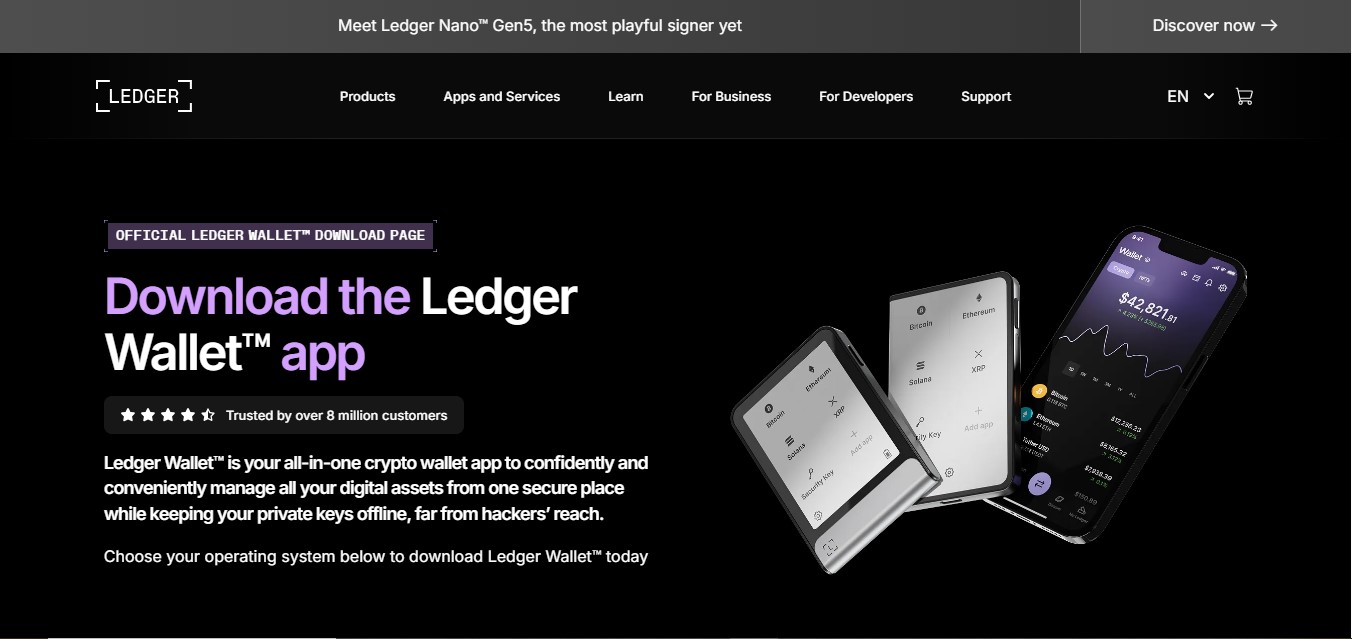
Ledger Start Guide – Safe & Simple Wallet Setup
In today’s digital age, cryptocurrencies have grown from niche assets to mainstream investment opportunities. Bitcoin, Ethereum, and thousands of other digital currencies are now part of millions of portfolios worldwide. With this rise in popularity comes a critical need for secure and reliable methods to store and manage crypto assets. Unlike traditional banking, cryptocurrency management requires users to maintain control over private keys, making security paramount.
Ledger, a global leader in crypto security, addresses this need with Ledger hardware wallets and the Ledger Live app, providing users with a secure ecosystem to manage, send, receive, and even stake cryptocurrencies. This Ledger Start Guide is designed to help beginners and experienced users alike set up their wallet safely and efficiently, ensuring their digital assets remain protected.
What is a Ledger Wallet?
A Ledger Wallet is a type of hardware wallet, a physical device designed to store cryptocurrency private keys offline. By keeping keys offline, Ledger wallets prevent unauthorized access from hackers, malware, or phishing attacks. Unlike software wallets or exchange accounts where private keys can be vulnerable to breaches, Ledger wallets ensure that you maintain full control over your assets.
Ledger offers two primary hardware wallet models:
Ledger Nano S Plus: A compact, secure, and budget-friendly wallet supporting multiple cryptocurrencies.
Ledger Nano X: A premium model with Bluetooth connectivity, larger storage for apps, and advanced features for managing a diverse crypto portfolio.
Both devices use a secure chip (CC EAL5+) to store private keys safely, along with PIN protection and optional passphrases for added security.
Why Security is Important in Crypto Management
Managing cryptocurrency without proper security can result in permanent loss of funds. Key risks include:
Phishing Attacks: Fraudulent websites or emails designed to steal private keys.
Malware: Viruses that capture keystrokes or compromise software wallets.
Exchange Vulnerabilities: Hacks of centralized platforms where user funds are stored online.
Ledger wallets mitigate these risks by keeping private keys completely offline, meaning your keys never leave the device. This makes Ledger an essential tool for anyone serious about safeguarding their crypto investments.
Step-by-Step Ledger Start Guide
This guide outlines a safe and simple process for setting up your Ledger wallet and Ledger Live application.
Step 1: Purchase an Official Ledger Wallet
To ensure security, purchase your Ledger wallet only from Ledger’s official website or authorized resellers. Avoid third-party marketplaces, as devices may be tampered with. Ledger provides detailed instructions at Ledger.com/start to ensure you receive a genuine device.
Step 2: Download Ledger Live
Ledger Live is the software interface that allows users to manage cryptocurrency on their Ledger device. It is available for desktop (Windows, macOS, Linux) and mobile (iOS, Android). Download Ledger Live only from the official Ledger website to avoid phishing risks.
Ledger Live allows you to:
Monitor your crypto portfolio
Send and receive cryptocurrencies
Stake supported coins
Swap cryptocurrencies
Manage apps installed on the hardware wallet
Step 3: Initialize Your Ledger Wallet
After receiving your device, follow these steps to initialize it securely:
Power On the Device: Follow the on-screen prompts to start.
Set a PIN Code: Choose a PIN that you can remember but is difficult for others to guess.
Generate Recovery Phrase: Ledger will provide a 24-word recovery phrase, which is the only way to restore your wallet if the device is lost or damaged.
Confirm Recovery Phrase: Verify each word in the correct order to ensure it was recorded accurately.
Important: Never store your recovery phrase digitally or share it with anyone. Ledger staff or support will never ask for your recovery phrase.
Step 4: Connect Your Ledger Wallet to Ledger Live
Open Ledger Live on your computer or mobile device.
Connect your Ledger Nano S Plus or Nano X via USB cable or Bluetooth (Nano X only).
Follow the on-screen instructions to add accounts for supported cryptocurrencies.
Ledger Live allows you to manage multiple accounts, meaning you can track Bitcoin, Ethereum, Solana, and many other assets all in one interface.
Step 5: Install Cryptocurrency Apps
Each supported cryptocurrency requires a corresponding app installed on your Ledger device. Ledger Live simplifies this process:
Navigate to the Manager section in Ledger Live.
Browse the available apps and install the ones corresponding to your assets.
Confirm installation directly on your Ledger device.
Ledger Live ensures apps are verified and secure, protecting your funds from potential vulnerabilities.
Step 6: Send, Receive, and Manage Crypto
With your Ledger wallet connected and apps installed, you can now:
Receive Cryptocurrency: Generate a secure wallet address in Ledger Live and share it to receive funds.
Send Cryptocurrency: Initiate transactions in Ledger Live, then confirm on your device to ensure security.
Monitor Portfolio: Track real-time balances, historical performance, and asset distribution.
All transactions are cryptographically signed on the hardware wallet, ensuring private keys remain offline.
Step 7: Staking and Rewards (Optional)
For supported cryptocurrencies, Ledger Live allows users to stake assets and earn rewards. Staking involves locking coins to support network operations and earn passive income. Ledger Live simplifies staking by guiding users through the process while keeping funds secure on the hardware wallet.
Advantages of Using Ledger
Ledger wallets and Ledger Live offer several benefits:
Top-Tier Security: Private keys never leave the device, protecting assets from malware and online threats.
Comprehensive Portfolio Management: Monitor, send, receive, stake, and swap multiple cryptocurrencies from one platform.
User-Friendly Interface: Ledger Live is intuitive and accessible for both beginners and experienced users.
Cross-Platform Support: Available for desktop and mobile devices.
Regular Updates: Ledger regularly updates firmware and software to enhance security and add support for new cryptocurrencies.
Best Practices for Secure Wallet Use
Even with Ledger’s robust security, users should adopt safe practices:
Never share your recovery phrase.
Avoid phishing websites and emails. Always use official Ledger URLs.
Store recovery phrase offline in a secure location.
Update firmware and Ledger Live regularly to prevent vulnerabilities.
Enable additional passphrase protection for extra security.
Following these practices ensures that your crypto assets remain protected against digital threats.
Ledger Start Guide for Beginners
For first-time crypto users, Ledger provides a step-by-step start guide at Ledger.com/start. This resource covers:
Hardware wallet selection
Ledger Live installation
Wallet setup and initialization
Secure transaction management
Staking and portfolio tracking
By following this guide, beginners can start their crypto journey confidently and securely, avoiding common pitfalls such as phishing, malware, and exchange vulnerabilities.
Why Choose Ledger?
Ledger is widely recognized for industry-leading security, usability, and reliability. Unlike online wallets, where private keys are stored on servers vulnerable to attacks, Ledger ensures that users have full ownership and control over their digital assets. Ledger’s combination of hardware wallets and Ledger Live provides a secure, versatile, and user-friendly ecosystem, making it the preferred choice for both beginners and advanced investors.
Conclusion
The Ledger Start Guide offers a safe and simple path for managing cryptocurrencies securely. By combining a hardware wallet with the Ledger Live software application, users can confidently send, receive, stake, and track their digital assets. Ledger’s focus on security, ease of use, and multi-asset support ensures that your crypto investments remain protected and accessible, whether you are new to crypto or a seasoned investor.
Starting your crypto journey with Ledger is more than just setting up a wallet—it’s about establishing a foundation of trust, security, and control in the rapidly evolving world of digital finance.
Visit Ledger.com/start today to begin your journey and set up your safe and simple Ledger wallet for managing cryptocurrencies securely.
Word count: 1,205
If you want, I can also create a SEO-optimized version of this Ledger Start Guide article with headings, meta descriptions, and keywords to make it ready for a blog or website post targeting terms like “Ledger wallet setup,” “secure crypto wallet,” and “Ledger start guide.”