Ledger Start Guide – Securely Set Up Your Wallet
Cryptocurrencies give you full control over your financial assets — but that also means you’re responsible for keeping them safe. One of the most trusted ways to secure crypto is by using a hardware wallet, such as devices from Ledger. A hardware wallet stores your private keys offline, making them far less vulnerable to online hacks, malware, and phishing attacks. To help you begin your journey safely, this Ledger Start Guide walks you through setting up your wallet from scratch — securely and confidently.
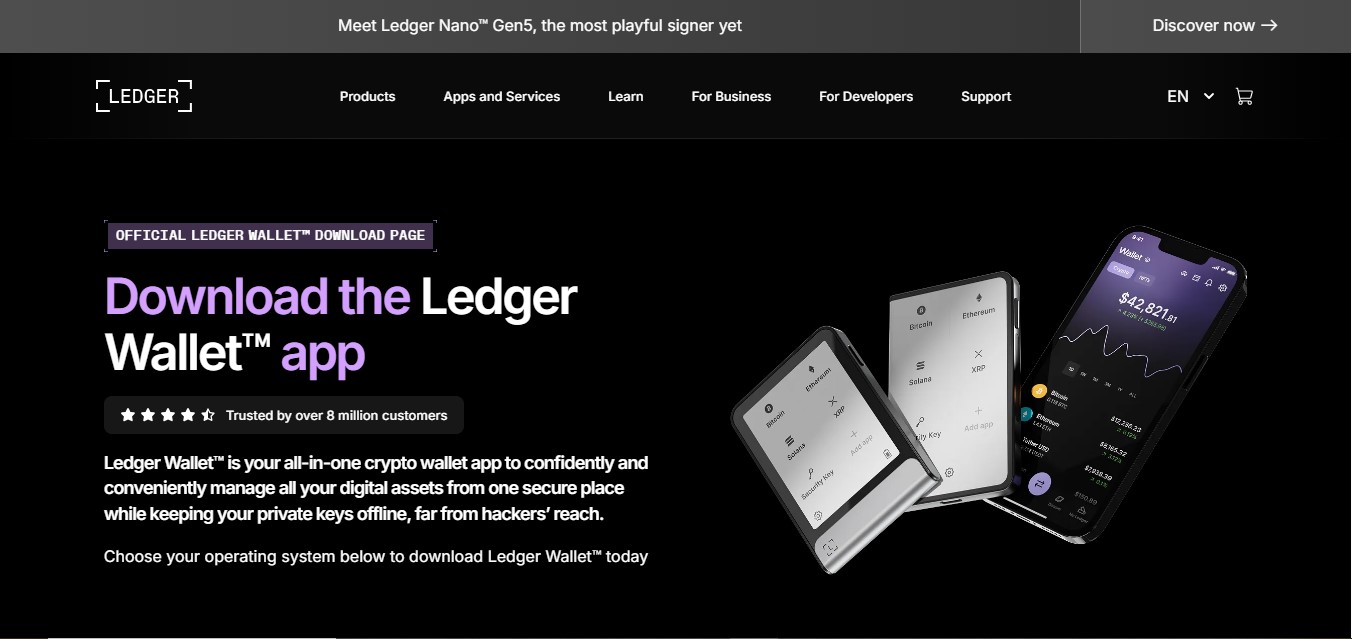
The official setup process begins at ledger.com/start, which is the only verified place to download Ledger Live and follow Ledger’s step‑by‑step instructions.
Why Starting Properly Matters
Before diving into the steps, it’s important to understand why using the official setup flow is critical:
Security against scams: Fake setup sites and counterfeit installers are common in the crypto space. Using only ledger.com/start ensures you aren’t tricked into installing malware or phishing tools.
Authentic software: Ledger Live — the companion app you’ll install — must be downloaded directly from the official source to avoid tampered versions.
Device authenticity checks: Ledger Live can verify that your device is genuine and hasn’t been tampered with.
By beginning at the official start page, you significantly reduce your exposure to scams and misconfigurations from day one.
What You’ll Need Before You Begin
Before you begin the setup, make sure you have the following:
Ledger hardware wallet — such as Ledger Nano X, Ledger Nano S Plus, or another supported model.
A computer or smartphone with an Internet connection.
Ledger Live app downloaded from the official start page.
A pen and paper or a metal backup card to write down your recovery phrase.
A quiet and secure place where you can concentrate on setup.
Never use a pre‑owned device or one that comes with a seed phrase already written on it — those are often counterfeit or compromised.
Step 1 — Unbox and Inspect Your Ledger Device
When you first receive your Ledger wallet:
Check the package seal. The box should arrive sealed and untampered.
Verify the contents. You should find:
Ledger hardware wallet
USB cable
Recovery phrase sheet(s)
User guide or quick start materials
If anything appears tampered with — such as a pre‑written phrase or unsealed packaging — do not proceed. Contact official Ledger support immediately.
Step 2 — Visit the Official Setup Portal
Open a secure browser and type https://www.ledger.com/start directly into the address bar — do not rely on search engine links or social media ads. This ensures you are on the authentic setup page and not a phishing site.
On this page:
Choose your Ledger device model (e.g., Nano X, Nano S Plus, or Stax).
Follow the tailored instructions for that specific model.
This is the only official — and safe — place to begin the setup process.
Step 3 — Download and Install Ledger Live
Once you’re on the official setup page, you’ll see links to download Ledger Live, Ledger’s official companion app. Ledger Live is available for:
Windows
macOS
Linux
iOS and Android (mobile apps)
Important: Only download Ledger Live from the official ledger.com/start page. Fake installers circulating online can infect your system with malware or steal sensitive data.
After downloading the installer for your platform:
Run the installer and follow the on‑screen instructions to install Ledger Live.
Open Ledger Live after installation.
Step 4 — Initialize Your Ledger Wallet
Now it’s time to set up your Ledger device itself:
Connect the device to your computer using the provided USB cable (or connect via Bluetooth on supported models).
Turn on the device by pressing both buttons simultaneously.
On the device screen, choose “Set up as new device.”
Choose a PIN code — this will protect access to the device. Pick something memorable but not easily guessable.
Generate your 24‑word recovery phrase. This is your master backup and the only way to restore your wallet if your device is lost or damaged.
💡 Recovery Phrase Best Practices
Write down the 24 words in order.
Store them offline. Do not take photos, use screenshots, or keep them in any digital file.
Use a metal backup option for long‑term storage if possible.
Ledger will ask you to confirm a few words from the phrase on the device to ensure you recorded it correctly.
This recovery phrase gives full access to your crypto — if anyone sees it, they can access your funds. Treat it like the most valuable secret you own.
Step 5 — Verify Device Authenticity in Ledger Live
After initializing your device, open Ledger Live and follow the prompts to pair the device. Ledger Live will:
Communicate with your Ledger device.
Check device firmware status.
Perform an authenticity check to ensure your device is genuine.
This step helps protect you against tampered hardware or supply chain attacks.
Step 6 — Install Crypto Apps and Add Accounts
Once your device is verified and paired:
In Ledger Live, go to the Manager tab to install blockchain apps for the coins you want to use (e.g., Bitcoin, Ethereum, Solana).
After installing apps on the device, go to Accounts and add your accounts for each cryptocurrency.
You can now send and receive coins, track your portfolio, and explore advanced features like staking.
Security Tips to Follow Always
Your Ledger device and Ledger Live setup give you a strong security foundation, but you should also follow these practices:
🔒 Never share your 24‑word recovery phrase.
Ledger support will never ask for this phrase. Anyone asking for it is a scam.
🧠 Verify every transaction on the device screen.
Your computer can prepare transactions, but signing must always happen on the hardware device itself.
🛡️ Only download official software.
Avoid search engine ads and suspicious links. Fake Ledger Live installers have been used to steal crypto.
📦 Keep firmware up to date.
Ledger Live can notify you of firmware updates — install them to stay protected.
After Setup — What You Can Do Next
With your Ledger wallet fully set up:
Securely send and receive crypto.
Track your portfolio in real‑time.
Use built‑in functions to stake supported assets.
Manage NFTs and explore decentralized apps (dApps).
Ledger Live supports thousands of digital assets, all secured by your hardware wallet and backed by self‑custody.
Conclusion
Setting up a Ledger hardware wallet securely is one of the most important steps you can take as a crypto owner. By following the official start guide at ledger.com/start, using Ledger Live, and observing best practices for backup and security, you put yourself ahead of most common crypto risks. With your wallet ready, you can confidently manage your digital assets with strong protection and full control.